I tried letting an AI agent run my design crits
The premise: hand a week of design critiques to an AI agent and see what it does to the room.
I wired it into our review board, gave it the same rubric the team uses, and let it speak first in every session. The goal was not to replace the crit — it was to find out whether a machine could name the thing everyone in the room was already feeling but nobody had said out loud yet.
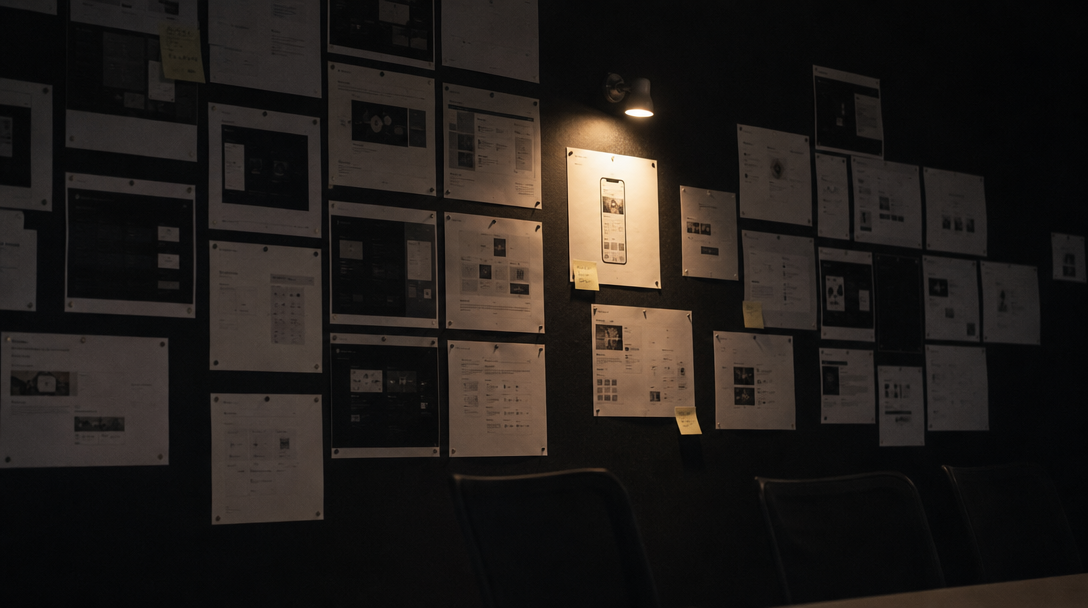
What actually happened
It was ruthless about consistency and blind to intent. It caught spacing drift and contrast failures faster than any of us, then confidently praised a flow that quietly broke for anyone who had used the product before. The lesson was less about the agent and more about us: the parts of a crit worth protecting are the ones that require having lived with the problem.
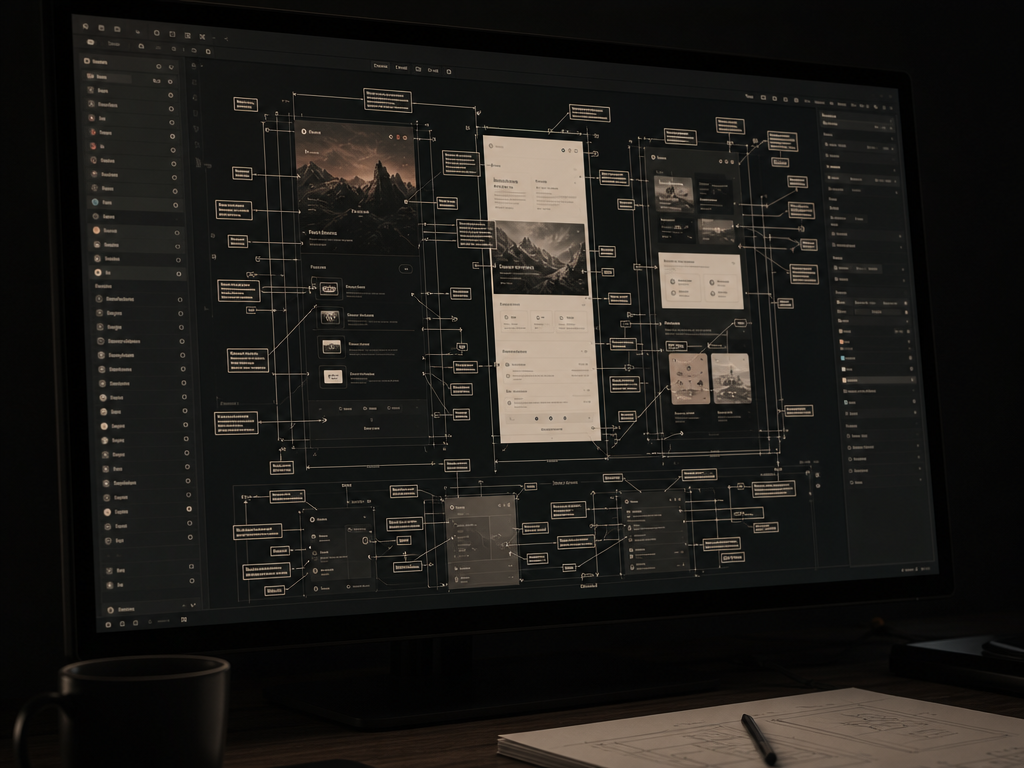
Where the grid breaks
By Friday the pattern was obvious. The agent grades against the grid; the room grades against the person on the other side of the screen. Both matter — but only one of them can be automated, and it is not the one that decides whether the product feels right.